
Transform Your Home with Premier Residential Interior Design Services in New Hampshire and Massachusetts
Updated: Sep 26, 2025
Are you dreaming of a home that reflects your style and enhances your daily living? Many homeowners share this vision, whether they want to refresh a single room or embark on a complete home renovation. In New Hampshire and Massachusetts, talented interior designers are ready to help you create a space that feels uniquely yours. With their guidance, you can transform your home into a personal sanctuary that meets your needs and aesthetics.
The Importance of Interior Design
Interior design is not just about aesthetics; it significantly impacts your quality of life. A study from the Wineberg Center for Architecture found that well-designed spaces can improve mood and productivity by up to 20%. When you hire a professional interior designer, you tap into their expertise in areas like space planning, color choices, and material selection. This ensures that your home is comfortable, functional, and pleasing to the eye.
Understanding Your Style
Understanding your personal style is crucial before diving into the design process. Do you prefer the sleek lines of modern minimalism, the rustic warmth of farmhouse charm, or perhaps a mix of both? For instance, if you lean towards a cozy, rustic look, a designer might incorporate soft throw blankets, wooden accents, and warm color palettes. Engaging in this collaborative process helps ensure that the final design is truly a reflection of your personality.
Services Offered by Interior Designers
Residential interior design services in New Hampshire and Massachusetts can cover a range of needs. Here are some of the key services you can expect to receive:
Space Planning
Effective space planning is essential for maximizing your home's functionality. Designers carefully assess your space and create layouts that improve flow and usability. For example, a designer could revamp a small living room by utilizing multi-functional furniture like a coffee table that doubles as storage. This strategy is especially important in smaller homes where each square foot is valuable.
Color Consultation
Color can dramatically alter the mood of a room. A skilled designer will guide you in selecting a color scheme that enhances your space. For instance, soft blues and greens can promote calmness, while warm yellows can create an inviting atmosphere. Choosing the right hues can ensure harmony between your furnishings and decor.
Furniture Selection and Arrangement
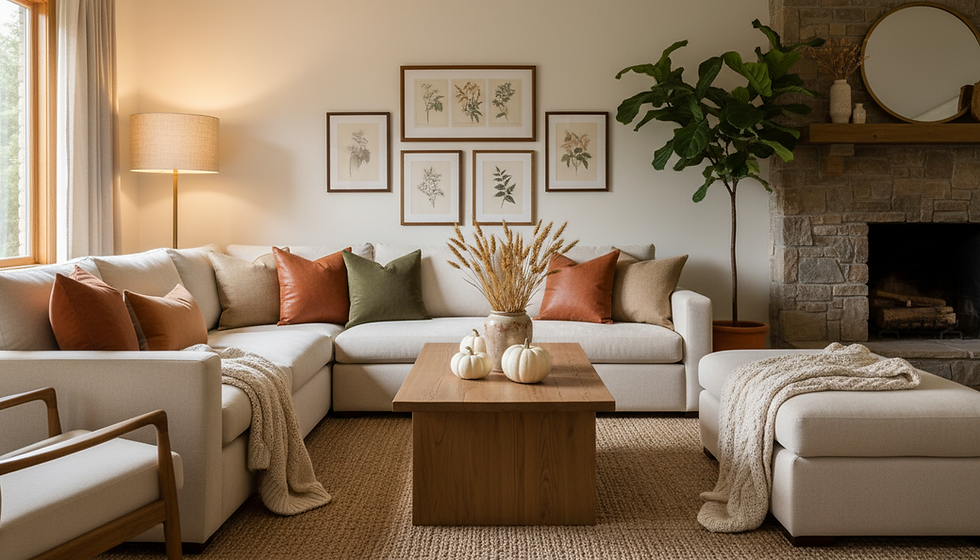
The right furniture not only adds style but also comfort. Designers have access to a broad range of resources and styles. A good example is choosing a sectional sofa to fit a family space, arranged in a way that encourages conversation and relaxation. Smart placement and furniture choice can truly elevate your living area.
Lighting Design
Proper lighting transforms any space. It can make a small room appear larger and more inviting. Designers carefully consider both natural and artificial light when crafting their plans. For example, using layered lighting—such as a combination of overhead fixtures, floor lamps, and table lamps—can create a warm, welcoming environment that enhances your home's features.
Custom Solutions
Every home is different, and sometimes, standard solutions aren't enough. Interior designers can create custom-built furniture or unique decor elements that meet your specific needs. For example, a built-in bookshelf custom-designed to fit a specific wall can optimize storage while showcasing your favorite reads and decorations.

The Process of Working with an Interior Designer
Engaging with a residential interior designer is a structured process:
Initial Consultation
The journey begins with an initial consultation. This meeting focuses on your vision, budget, and timeline and allows the designer to grasp your preferences. For instance, sharing photos or ideas can help the designer understand what resonates with you.
Concept Development
Following the consultation, the designer will develop a concept. This often includes mood boards and layout options that illustrate the design direction. It’s an exciting stage as you begin to visualize your redesigned space.
Design Implementation
After agreeing on a concept, the implementation phase begins. This step may involve working with contractors, sourcing materials, and overseeing the delivery and installation of furnishings. Designers often manage multiple aspects to ensure everything aligns with your vision.
Final Walkthrough
Once the project is complete, you will have a final walkthrough. This is your opportunity to appreciate the transformation and request any last adjustments. It’s a crucial moment to ensure every detail aligns with your expectations.
Why Choose Local Designers?
Choosing local designers in New Hampshire and Massachusetts comes with distinct advantages. They possess a deep understanding of regional styles and preferences. For instance, a designer familiar with coastal styles can integrate elements that resonate with homeowners looking for that beachy aesthetic. Supporting local professionals not only strengthens your community but also enriches your design experience.
Budgeting for Your Interior Design Project
Establishing a budget is key for your design project. A professional designer can assist you in allocating funds efficiently, ensuring you get the results you want without overspending. For example, investing in quality furniture or sustainable materials may seem costly upfront but can significantly increase your home's value and enjoyment.
Trends in Residential Interior Design
Staying updated on design trends can influence your choices positively. Here are a few popular trends:
Sustainable Materials: Many homeowners are now opting for eco-friendly materials. For instance, bamboo flooring is a sustainable choice gaining traction in modern homes.
Biophilic Design: This trend incorporates natural elements, connecting indoor spaces with the outdoors. Adding indoor plants or maximizing natural light can create a relaxing atmosphere.
Multifunctional Spaces: With remote work becoming more common, the demand for spaces that serve multiple purposes is on the rise. Designing a home office that can also function as a guest room is an excellent way to maximize space.
Final Thoughts
Transforming your home with premier residential interior design services in New Hampshire and Massachusetts is an investment in your lifestyle. Collaborating with skilled designers allows you to create a space that not only looks stunning but also functions seamlessly. Whether you want to refresh a room or tackle a full renovation, the right interior design services will help you bring your vision to life, making your home a true reflection of your style.



Comments