
Designing for Longevity: Senior Transition and Aging in Place Solutions
Aging brings many changes, and for seniors, staying in their own homes as they grow older is often the preferred choice. Designing living spaces that support this desire requires thoughtful planning and practical solutions. Senior transition and aging in place solutions focus on creating environments that adapt to changing needs, promote safety, and maintain independence. This post explores key strategies and examples to help seniors live comfortably and confidently in their own homes.
Understanding Senior Transition and Aging in Place
Senior transition refers to the process of adapting living spaces or moving to new environments that better suit the needs of older adults. Aging in place means staying in one’s home safely and comfortably as physical and cognitive abilities change. Both concepts emphasize independence, dignity, and quality of life.
Designing for longevity means anticipating future challenges and incorporating features that reduce risks and increase ease of use. This approach benefits not only seniors but also their families and caregivers by reducing stress and the need for frequent moves.
Key Design Principles for Aging in Place
Several design principles guide the creation of senior-friendly homes. These principles focus on safety, accessibility, and comfort:
Eliminate fall hazards
Falls are a leading cause of injury among seniors. Removing loose rugs, installing grab bars in bathrooms, and ensuring even flooring can prevent accidents.
Improve lighting
Good lighting reduces eye strain and helps seniors navigate spaces safely. Use bright, glare-free lights and add nightlights in hallways and bathrooms.
Create open, wide pathways
Hallways and doorways should be wide enough to accommodate walkers or wheelchairs. Avoid clutter and arrange furniture to allow easy movement.
Use lever-style handles
Door and faucet handles that require minimal grip strength make daily tasks easier for those with arthritis or limited hand mobility.
Install adjustable features
Adjustable shower heads, countertops, and seating options allow customization based on individual needs.
Practical Examples of Aging in Place Solutions
Here are some specific solutions that have proven effective in senior transition design:
Bathroom safety upgrades
Installing walk-in showers with non-slip floors and grab bars reduces fall risk. Raised toilet seats and shower benches add comfort and support.
Smart home technology
Devices like voice-activated assistants, automated lighting, and emergency alert systems help seniors manage daily tasks and call for help if needed.
Kitchen modifications
Lowering countertops, using pull-out shelves, and placing frequently used items within easy reach make cooking safer and more convenient.
Bedroom adaptations
Beds with adjustable heights and clear paths to the bathroom improve nighttime safety. Motion-sensor lights can help avoid accidents during nighttime trips.
Entryway improvements
Ramps or stairlifts provide easier access to homes with steps. Secure, well-lit entrances enhance safety and peace of mind.

Supporting Emotional and Social Well-being
Designing for aging in place goes beyond physical changes. Emotional and social needs are equally important. Spaces that encourage interaction with family and friends, hobbies, and outdoor activities contribute to mental health and happiness.
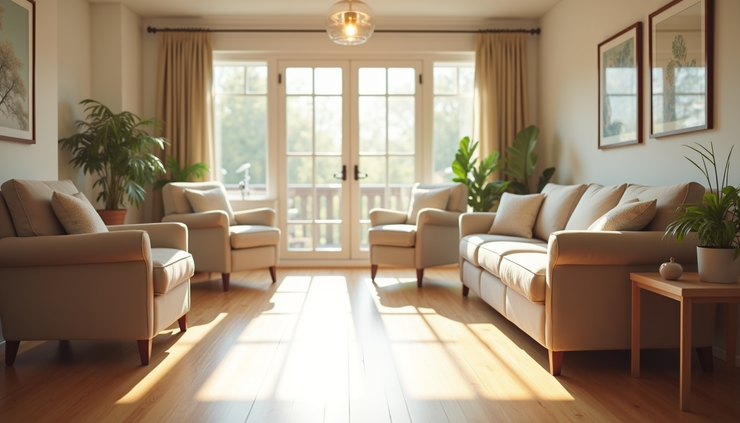
Create inviting common areas
Comfortable seating and good lighting in living rooms or sunrooms encourage socializing.
Incorporate outdoor spaces
Gardens, patios, or balconies with safe, even surfaces provide opportunities for fresh air and light exercise.
Design for pets
Many seniors find companionship in pets. Easy-to-clean floors and designated pet areas support this bond.
Planning for the Future
Senior transition design should consider not only current needs but also potential future challenges. Flexible spaces that can be adapted or modified over time reduce the need for costly renovations or moves.
Modular furniture
Pieces that can be rearranged or adjusted help accommodate changing mobility.
Space for caregivers
Including a guest room or space for visiting family members or professional caregivers supports long-term care.
Accessible storage
Cabinets and closets designed for easy access reduce strain and frustration.
Final Thoughts
Designing homes that support senior transition and aging in place requires a balance of safety, accessibility, and comfort. By focusing on practical solutions and anticipating future needs, seniors can maintain independence and enjoy their living spaces longer. Families and caregivers benefit from reduced stress and improved quality of life for their loved ones.
If you are planning a senior transition or want to make your home more senior-friendly, start with small changes that improve safety and accessibility. Consult with professionals who specialize in aging in place design to create a space that truly supports longevity and well-being. Taking these steps today can make a significant difference in the years to come.

Comments