
Creating Harmonious Spaces with Residential Interior Design
When you walk into a room, how do you want it to feel? Cozy and inviting? Bright and energizing? Or maybe calm and serene? Creating a harmonious space is all about balancing these feelings with your personal style and the function of the room. I’ve spent years helping people transform their homes into places that truly feel like home. Today, I want to share some practical home interior design tips that can help you create spaces where you feel comfortable, inspired, and perfectly at ease.
The Power of Color in Home Interior Design Tips
Color is one of the most powerful tools you have when designing your home. It sets the mood instantly and can make a room feel larger, warmer, or more intimate. When choosing colors, think about how you want to feel in each space.
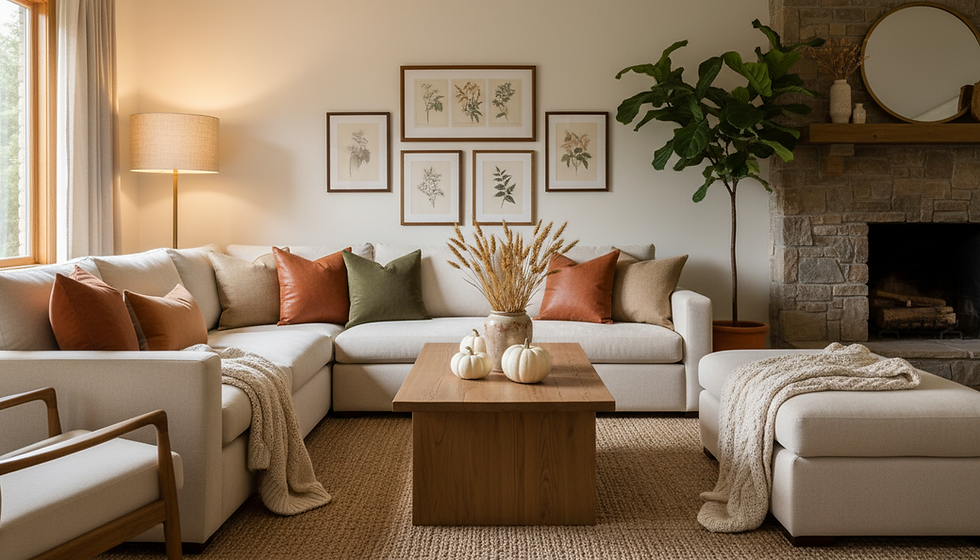
Soft neutrals like beige, cream, and soft gray create a calm, timeless backdrop.
Warm tones such as terracotta, mustard, or warm reds add energy and coziness.
Cool blues and greens bring a refreshing, peaceful vibe.
For example, in a living room where you want to relax and entertain, a soft gray wall paired with warm wood furniture and pops of mustard in pillows can create a balanced, inviting atmosphere. Don’t be afraid to experiment with accent walls or colorful accessories to add personality without overwhelming the space.

How to Use Lighting to Enhance Your Space
Lighting can make or break the feel of a room. It’s not just about brightness but about creating layers and moods. Here are some tips to get your lighting just right:
Layer your lighting: Combine ambient (general), task (focused), and accent (decorative) lighting.
Use dimmers: They allow you to adjust the mood easily from bright and lively to soft and intimate.
Choose the right bulbs: Warm white bulbs (2700K-3000K) create a cozy atmosphere, while cooler whites are better for workspaces.
For example, in a kitchen, bright overhead lights help with cooking, but under-cabinet lights add a warm glow and highlight your countertops. In bedrooms, bedside lamps with soft light create a relaxing retreat.

Creating Flow and Functionality in Every Room
A harmonious home isn’t just about looks - it’s about how the space works for you. Good flow and functionality make your daily life easier and more enjoyable. Here’s how to think about it:
Plan your furniture layout around how you move through the room. Avoid blocking pathways.
Define zones in open spaces. Use rugs, furniture placement, or lighting to create areas for lounging, dining, or working.
Choose multi-functional furniture if space is tight. Think ottomans with storage or fold-out desks.
For example, in a small living room, placing the sofa against a wall and using a round coffee table can open up the space and make it easier to move around. Adding a bookshelf behind the sofa can create a subtle division between the living area and dining space.
Incorporating Personal Touches That Tell Your Story
Your home should reflect who you are. Adding personal touches makes a space feel truly yours and adds warmth. Here are some ideas:
Display collections or souvenirs that have meaning.
Use artwork that speaks to you, whether it’s a painting, photography, or even framed textiles.
Mix vintage pieces with modern ones for a layered, lived-in look.
For instance, a gallery wall of family photos mixed with art prints can create a focal point in a hallway or living room. A vintage rug passed down through generations adds character and history to your floors.
Bringing It All Together with Residential Interior Design
When you combine color, lighting, flow, and personal touches thoughtfully, you create a space that feels balanced and harmonious. This is the essence of residential interior design - blending your vision with expert guidance to craft a home that supports your lifestyle and brings you joy every day.
If you’re feeling overwhelmed or unsure where to start, working with a professional can make all the difference. They can help you navigate choices, avoid costly mistakes, and bring fresh ideas to the table.
Small Changes That Make a Big Impact
You don’t have to overhaul your entire home to create harmony. Sometimes, small changes can transform a space:
Swap out old curtains for lighter, airier fabrics.
Add plants to bring life and color.
Rearrange furniture to open up the room.
Update hardware on cabinets and doors for a fresh look.
These simple tweaks can refresh your home and make it feel more inviting without a big investment.
Creating harmonious spaces is a journey, not a race. Take your time, trust your instincts, and enjoy the process of making your home a true reflection of you. With these home interior design tips, you’re well on your way to a space that feels just right.


Comments