
Crafting Personalized Spaces with Residential Interior Design
When it comes to making a house feel like home, the magic lies in the details. I’ve always believed that your living space should be a reflection of who you are—a place where comfort meets style, and every corner tells a story. That’s why understanding and applying home design principles is so important. These principles help you create a space that’s not only beautiful but also functional and uniquely yours.
Whether you’re starting fresh or refreshing your current space, I’m here to guide you through the process. Let’s explore how you can craft personalized spaces that truly resonate with your lifestyle and taste.
Embracing Home Design Principles for a Cohesive Look
The foundation of any great interior starts with solid home design principles. These are the guidelines that help you balance aesthetics and practicality. Here are some key principles to keep in mind:
Balance: Distribute visual weight evenly. For example, if you have a large sofa on one side of the room, balance it with a substantial piece like a bookshelf or an armchair on the other.
Harmony: Choose colors, textures, and styles that complement each other. Mixing too many styles can feel chaotic, but a well-curated blend adds personality.
Rhythm: Create a flow by repeating colors, shapes, or patterns throughout the space. This guides the eye and makes the room feel connected.
Emphasis: Every room needs a focal point. It could be a fireplace, a piece of art, or a statement piece of furniture.
Scale and Proportion: Make sure furniture and decor fit the size of the room. Oversized pieces can overwhelm a small space, while tiny items might get lost in a large room.
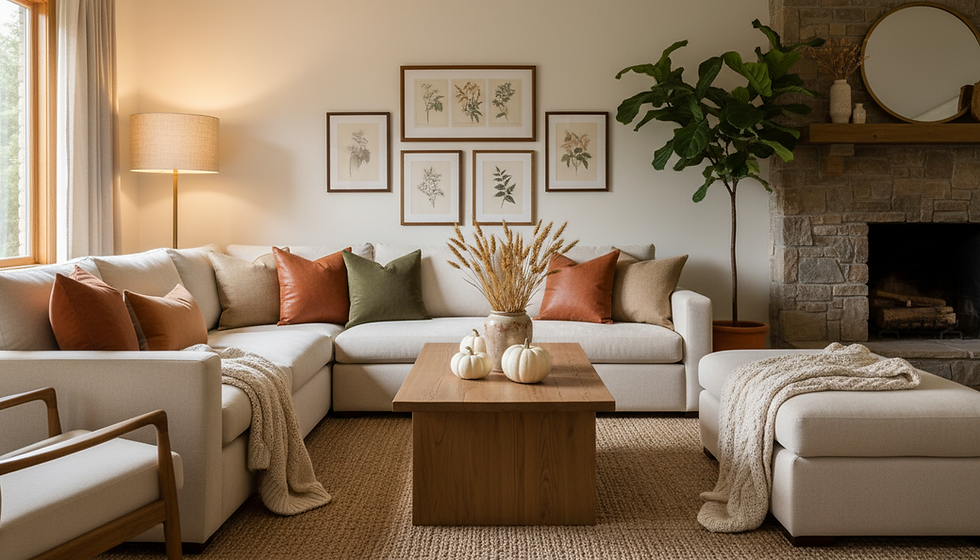
For example, in a cozy New England living room, I often suggest using warm, earthy tones paired with natural textures like wood and wool. This combination creates a welcoming atmosphere that feels both timeless and inviting.

How to Personalize Your Space with Practical Tips
Personalizing your home is about more than just picking pretty things. It’s about making choices that reflect your personality and support your daily life. Here are some practical ways to do that:
Start with What You Love
Think about your favorite colors, patterns, and styles. Do you prefer modern minimalism or rustic charm? Use these preferences as your starting point.
Incorporate Meaningful Items
Display family photos, travel souvenirs, or heirlooms. These pieces add character and tell your story.
Mix Function with Style
Choose furniture that fits your lifestyle. If you love hosting, invest in a large dining table. If you work from home, create a dedicated, comfortable workspace.
Layer Textures and Lighting
Combine soft rugs, cozy throws, and varied lighting sources like lamps and sconces. This adds depth and warmth to your rooms.
Use Color Thoughtfully
Paint walls in colors that evoke the mood you want. Soft blues and greens promote calm, while vibrant reds and oranges energize a space.
For instance, a New England homeowner might add a vintage rug from a local market or a handcrafted wooden bench to bring in regional charm and personal history.
The Role of Residential Interior Design in Creating Unique Homes
When you want to take your space to the next level, working with a professional can make all the difference. Residential interior design is about more than just picking furniture—it’s a comprehensive approach that blends your vision with expert knowledge.
A skilled designer helps you:
Maximize your space’s potential
Choose materials and finishes that suit your lifestyle
Create a cohesive look that flows from room to room
Avoid costly mistakes by planning ahead
Incorporate the latest trends while keeping your style timeless
For example, Denise Pierce Interiors specializes in crafting personalized spaces for New England homes. Their approach combines over two decades of experience with a deep understanding of client needs, resulting in homes that feel both distinctive and comfortable.

Tips for Working with Contractors and Designers
If you’re planning a renovation or a full redesign, collaboration is key. Here’s how to make the process smooth and enjoyable:
Communicate Clearly: Share your vision, budget, and timeline upfront. The more your team knows, the better they can deliver.
Be Open to Suggestions: Professionals bring valuable insights. Sometimes, a small change can make a big impact.
Stay Organized: Keep track of contracts, receipts, and design plans. This helps avoid confusion later.
Visit the Site Regularly: Check progress and address any concerns early.
Trust the Process: Design takes time. Patience leads to better results.
For homeowners in New England, it’s especially important to consider seasonal factors like humidity and temperature when selecting materials and finishes. A good designer will guide you through these regional considerations.
Bringing It All Together: Your Personalized Sanctuary
At the end of the day, your home should be your sanctuary—a place where you feel relaxed, inspired, and truly yourself. By applying home design principles and personal touches, you can create a space that supports your lifestyle and reflects your unique story.
Remember, great design is a journey, not a race. Take your time, enjoy the process, and don’t be afraid to experiment. Whether you’re refreshing a single room or embarking on a full home makeover, the right approach will make all the difference.
If you’re ready to transform your space with expert guidance, consider exploring residential interior design services that specialize in personalized solutions tailored to your needs.
Your dream home is closer than you think—let’s make it happen together!


Comments